When most homeowners think about staying cool during the summer, they focus on the temperature. If the house feels warm, they lower the thermostat. If it still feels warm, they lower it again and again.
But what is the problem isn’t the temperature at all?
Humidity plays a major role in how cool and comfortable your home feels, how hard your air conditioner works, and the price of your energy bill each month. In Kentucky, where summer humidity levels can be especially high, understanding indoor humidity can make a big difference in both comfort and cost.
Why Humidity Makes Your Home Feel Hotter
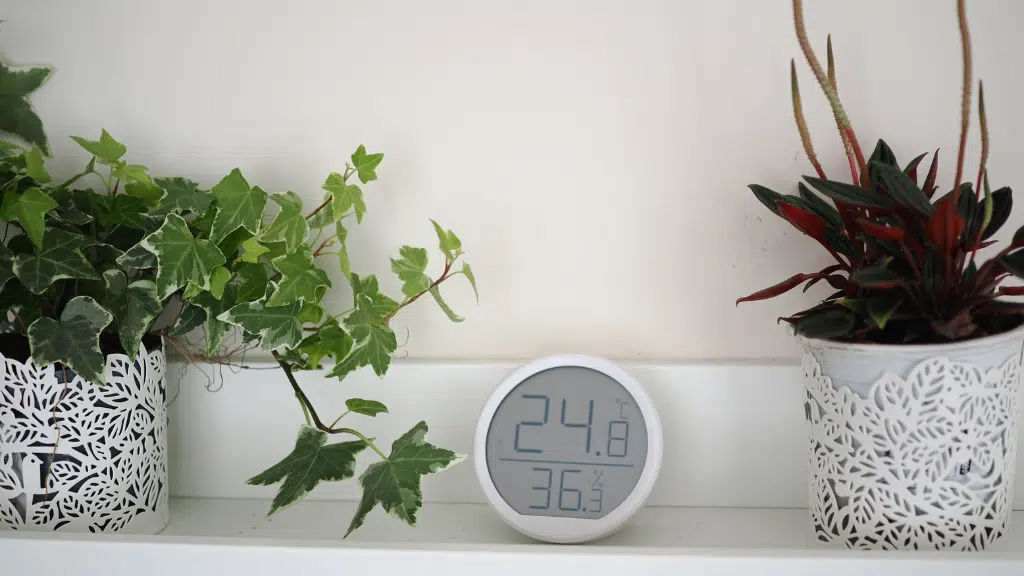
Humidity is simply the amount of moisture in the air. The higher the humidity levels are, the harder it is for your body to cool itself.
That’s why a 72-degree home can still feel sticky, uncomfortable, and hot.
As a result, many homeowners turn down the thermostat thinking their AC system isn’t working properly. In reality, the AC system isn’t the problem, the humidity is.
The Hidden Impact on Your Energy Bills
When your home feels uncomfortably hot, the natural reaction is to lower the thermostat.
The problem is that every degree you lower your thermostat increases the workload your AC system is taking on. Your AC runs longer, uses more electricity, and creates additional wear and tear on the equipment.
High indoor humidity often causes homeowners to:
- Run their AC longer throughout the day
- Put additional strain on their HVAC system
- Experience higher monthly utility bills
By addressing the humidity in your home, you can improve your comfort while also reducing your monthly energy bill.
Signs Your Home Has a Humidity Problem
Not sure if excess humidity is affecting your home?
Here are some some common warning signs:
- The inside air feels sticky or muggy
- Condensation appears on windows
- Musty odors are present
- Mold or mildew growth
- AC running constantly
Isn’t My Air Conditioner Supposed to Remove Humidity?
Yes, but only to a certain extent.
A properly sized and functioning air conditioner eliminates both heat and moisture from the air. However, there are certain situations where your AC may struggle to control humidity effectively.
Common causes include oversized units, improper installation, and aging equipment.
Calling a local HVAC company can help you identify whether the humidity issue in your home is caused by your AC unit and help you find the best solution.
How Whole-Home Dehumidifiers Help
For homes that struggle with high humidity, a whole-home dehumidifier can be a game changer.
Unlike portable units that only treat one room, whole-home dehumidifiers work with your HVAC system to remove excess moisture throughout the home.
Benefits often include:
- Reduced energy usage
- Less staring on AC system
- Better indoor air quality
- Reduced mold and mildew risk
- More consistent temperature throughout the home
- Overall improved comfort
Conclusion
If your home feels uncomfortably hot even when the thermostat says otherwise, humidity may be the issue.
High humidity can cause numerous issues including high energy bills and unnecessary wear and tear on your AC system. The good news is that solutions exist whether it’s improving system performance, correcting installation issues, or implementing a whole-home dehumidifier.
If you want to stay comfortable and avoid high utility bills this summer, Allgeier Air can help identify what’s causing your humidity problem and recommend the best solution for your home.