Choosing the Right Heating System for Your Home
Choosing a heating system involves more than picking a brand or comparing price tags. The right equipment should fit your home’s heating needs, work with its existing infrastructure, and provide comfort at a cost you understand.
For Louisville homeowners, that means considering both everyday winter conditions and colder stretches when dependable heat matters most.
The best heating system for your home depends on its design, available fuel sources, installation requirements, and your comfort priorities. Here’s how to compare your options before making a decision.
Start With Your Home’s Heating Needs
Before discussing equipment, talk with your HVAC contractor about how your current system performs.
Are certain rooms consistently cold? Does the equipment frequently turn on and off? Have you added living space or upgraded your insulation and windows?
Those details should inform the recommendation. ENERGY STAR advises contractors to size equipment using the home’s actual characteristics rather than relying on general rules of thumb. Oversized equipment can cycle too frequently, affecting comfort and equipment life.
Ask whether your estimate includes a heating and cooling load calculation, such as Manual J. This calculation helps determine how much heating and cooling your home requires.
Understand Your Heating System Options
Furnaces
A furnace heats air and distributes it through ductwork. Depending on the equipment, it may use natural gas, propane, or electricity.
If your home already has a furnace and usable ductwork, replacing it with another furnace is one option to evaluate. Ask your contractor whether the existing fuel supply, venting, electrical connections, and ducts are suitable for the proposed equipment.
Request an explanation of why a particular furnace is recommended, not just which model is on the quote.
Air-Source Heat Pumps
An air-source heat pump moves heat between your home and the outdoor air. It can provide both heating and cooling, making it an option when you are evaluating your entire HVAC system.
A dual-fuel setup combines a heat pump with a furnace. The heat pump can handle heating during milder weather, while the furnace operates when conditions call for it.
When comparing heat pumps, ask how the proposed model will perform at local winter temperatures and how any supplemental or backup heat will operate.
Ductless Mini-Splits
Ductless mini-splits can serve individual spaces or, with an appropriate design, an entire home. They may be useful for additions, areas without ductwork, or rooms that need separate temperature control.
Discuss whether a ductless system would supplement your existing equipment or replace it. That distinction affects the project’s scope, cost, and controls.
Geothermal Heat Pumps
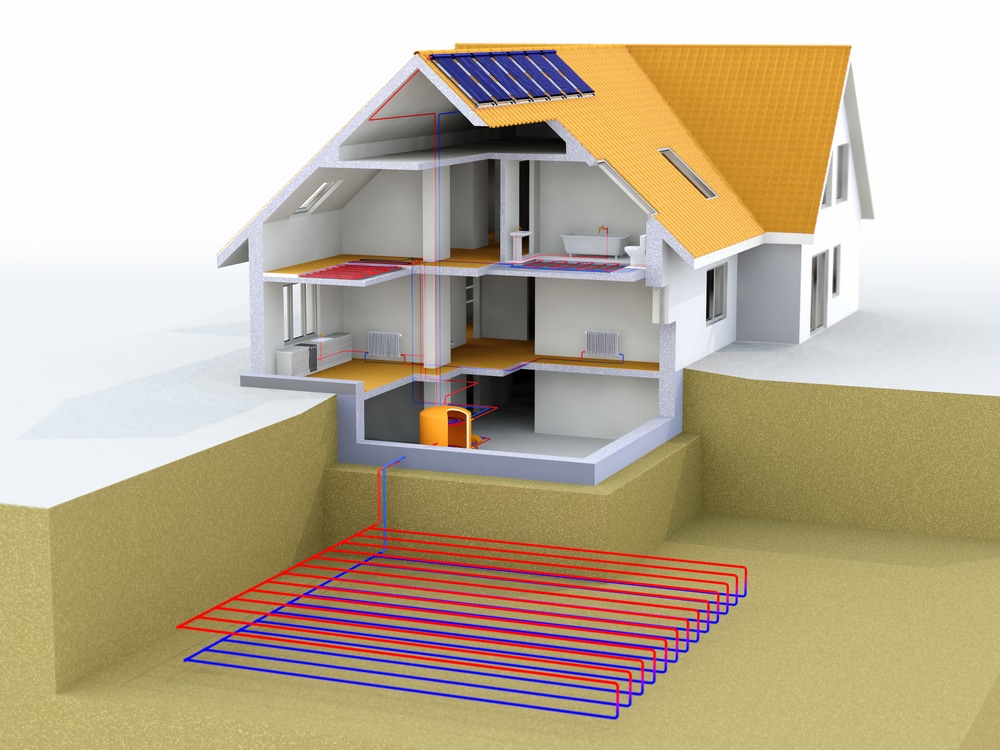
Geothermal systems exchange heat with the ground to provide heating and cooling. Whether one is suitable depends partly on your property and the requirements for installing the ground loop.
The Department of Energy recommends a qualified installer assess site characteristics and intended use when evaluating geothermal equipment.
Allgeier Air offers geothermal heating and cooling installation, giving homeowners another option to discuss alongside conventional equipment.
Compare the Complete Cost
The equipment price is only part of the investment. Request a written estimate that explains what is included and identifies any additional work.
Compare:
- Equipment and installation costs.
- Ductwork, electrical, fuel, or venting changes.
- Estimated operating costs and the assumptions behind them.
- Maintenance needs.
- Parts and labor warranty coverage.
- Removal and disposal of existing equipment.
Ask your contractor to explain any projected savings. A useful comparison should account for the equipment, local energy prices, and how your household uses heating and cooling.
Make Installation Quality a Priority
Even carefully selected equipment needs proper installation.
ENERGY STAR identifies airflow, duct condition, correct sizing, and refrigerant charge for heat pumps as important parts of installation quality. Leaky ducts and poor airflow can reduce comfort and efficiency.
If your current system leaves some rooms uncomfortable, ask whether the proposal addresses the underlying cause. A new heating unit may not resolve a ductwork or airflow problem by itself.
Questions to Ask Before Choosing a Heating System
Bring these questions to your consultation:
- Why is this system a good fit for my home?
- How did you determine the equipment size?
- What alternatives should I consider?
- Will my existing ductwork and connections need changes?
- How will the system handle colder weather?
- What does the installation price include?
- What maintenance and warranty responsibilities will I have?
You should understand the recommendation well enough to explain why it fits your needs.
Find the Right Heating System With Allgeier Air
You don’t have to sort through heating options alone. Allgeier Air helps Louisville homeowners evaluate furnaces, heat pumps, geothermal systems, and other comfort solutions based on their homes and priorities.
We’re your neighbors, and we believe choosing a heating system should begin with a conversation about your comfort, concerns, and budget.
Call (502) 244-9999 or visit louisvilleair.com to discuss heating options for your home.