
When cooler weather arrives in Louisville, we close the windows and spend more time indoors. That makes fall a good time to look at what is affecting the air inside your home.
Improving indoor air quality does not have to begin with a new product. Start with the basics: reduce sources of pollution, give your home appropriate ventilation, and make sure your heating system and filters are ready for winter.
1. Check Your HVAC Filter
Your filter collects particles as air moves through your heating and cooling system. Before you start using the heat regularly, check the filter and replace it if needed. Continue checking it during the winter, especially when the system is running often.
Choose a filter that is appropriate for your equipment. A higher efficiency filter is not automatically the right fit for every system; airflow matters, too. If you are unsure what to use, ask an HVAC professional. Allgeier Air’s indoor air quality guide explains more about filtration options.
2. Pay Attention to Humidity
Winter air can leave a home feeling dry, but adding too much moisture can create another problem. Condensation on windows, damp surfaces, and musty smells are signs that moisture needs attention.
Use an inexpensive humidity gauge to see what is happening in your home instead of guessing. The EPA recommends keeping indoor humidity between 30% and 50%. If your home is consistently too dry or too damp, a technician can help you assess whether an HVAC adjustment or humidity control solution makes sense.
3. Use Ventilation Where Moisture and Pollutants Start
Cold weather may make you reluctant to open a window, but everyday activities still affect indoor air. Cooking, showering, cleaning, and home projects can add moisture or pollutants.
Use kitchen and bathroom exhaust fans that vent outdoors when needed. When the weather and outdoor air quality allow, briefly opening windows can also bring in fresh air. Ventilation works alongside filtration; an ordinary HVAC filter does not replace it. The EPA identifies source control, ventilation, and filtration as key ways to improve indoor air quality.
4. Address Leaks and Damp Areas
A filter cannot solve a moisture problem at its source. Check around windows, under sinks, and in basements or other areas where water may collect. Repair leaks and dry damp materials promptly.
If you notice a persistent musty smell or recurring condensation, find out where the moisture is coming from before trying to cover up the odor. Controlling moisture is an important part of preventing mold growth.
5. Schedule Heating System Maintenance
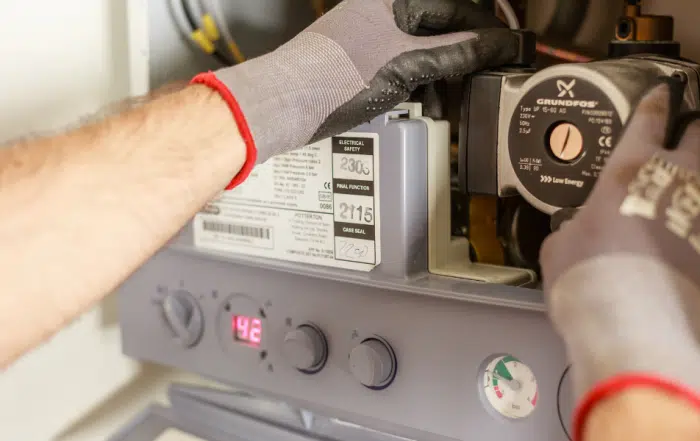
Your heating system will be working harder in the months ahead. A professional visit can identify maintenance needs, check operation, and give you an opportunity to ask about airflow or filtration concerns before winter is in full swing.
If you have a fuel-burning heating system, make sure your carbon monoxide alarms are working as well. An alarm is an essential safety measure, but it does not replace professional heating system maintenance.
Start With the Air in Your Own Home
Every home is different. Pets, cooking habits, moisture, ventilation, and HVAC equipment can all affect what you notice indoors. The best first steps are often simple: change a dirty filter, use your exhaust fans, address leaks, and pay attention to humidity.
If your Louisville home still feels dusty, stale, or unusually dry after you have covered the basics, Allgeier Air can help you explore your indoor air quality options. Call or text 502-244-9999 to discuss your concerns and prepare your heating system for winter.